Himalayan Tranquility Tour Package
Overview
Day-by-Day Itinerary
NJP Rly Station / IXB Airport – Gangtok
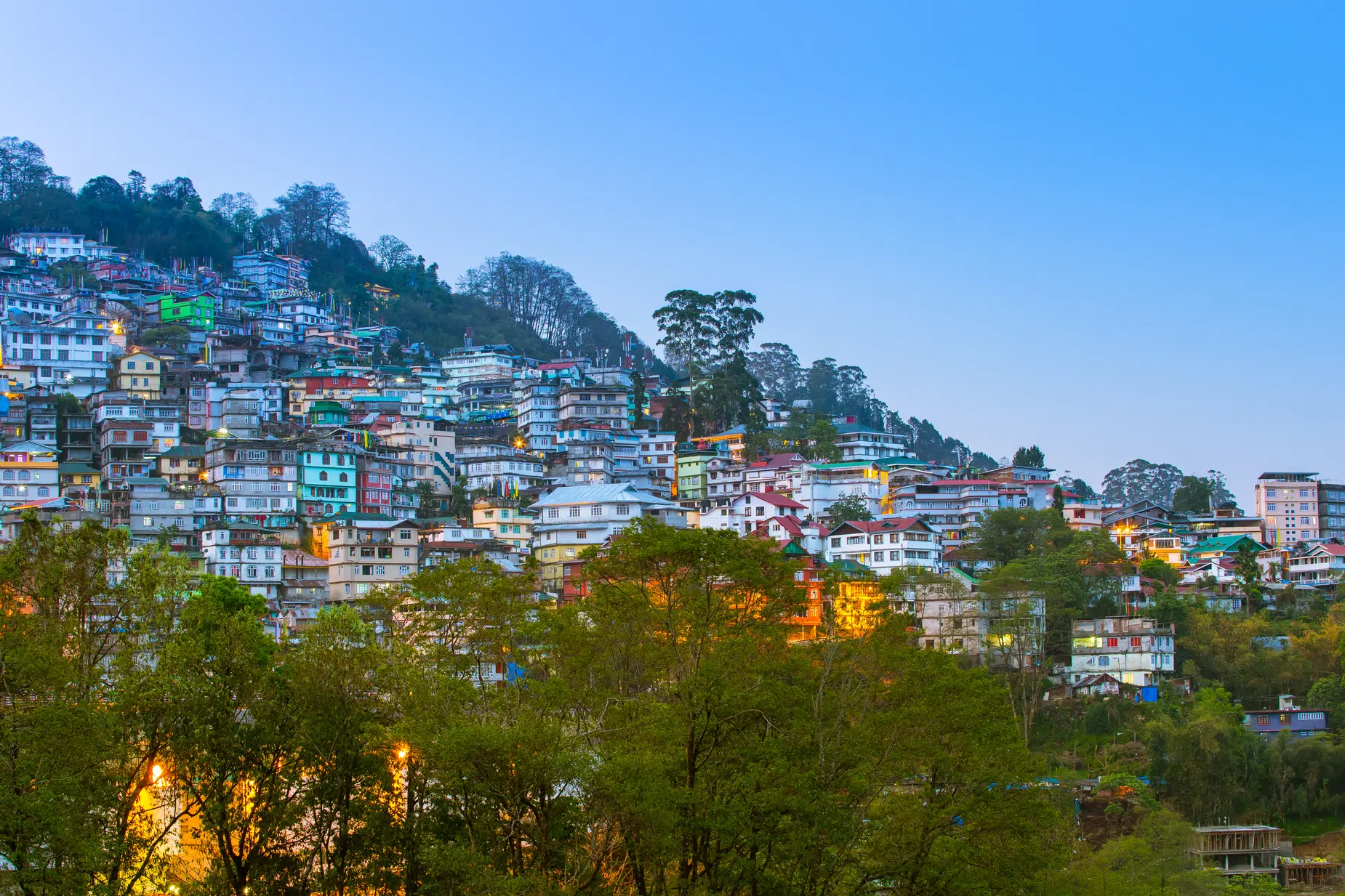
Meet & Greet on arrival at NJP Railway Station / IXB Airport & transfer to Gangtok (5,500 ft.). On arrival Check-in to hotel & rest of the day at leisure. Overnight stay at Gangtok.
Excursion to Tsomgo Lake & Baba Mandir
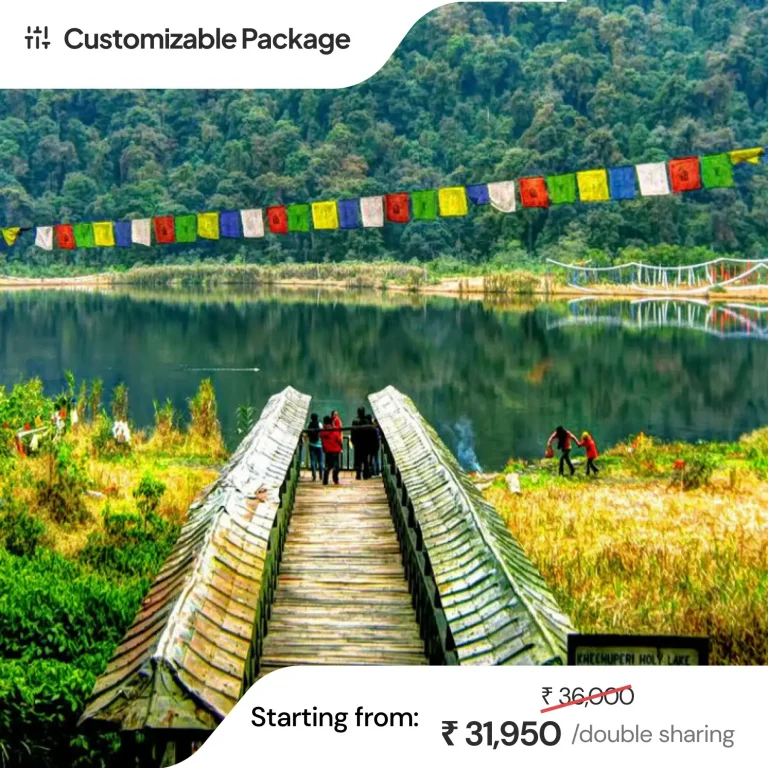
After breakfast start for an excursion to Tsomgo Lake (12,400 ft.) & Baba Mandir (13,200 ft.) which is 55 kms one way from Gangtok city. Overnight stay at Gangtok.
Gangtok – Darjeeling
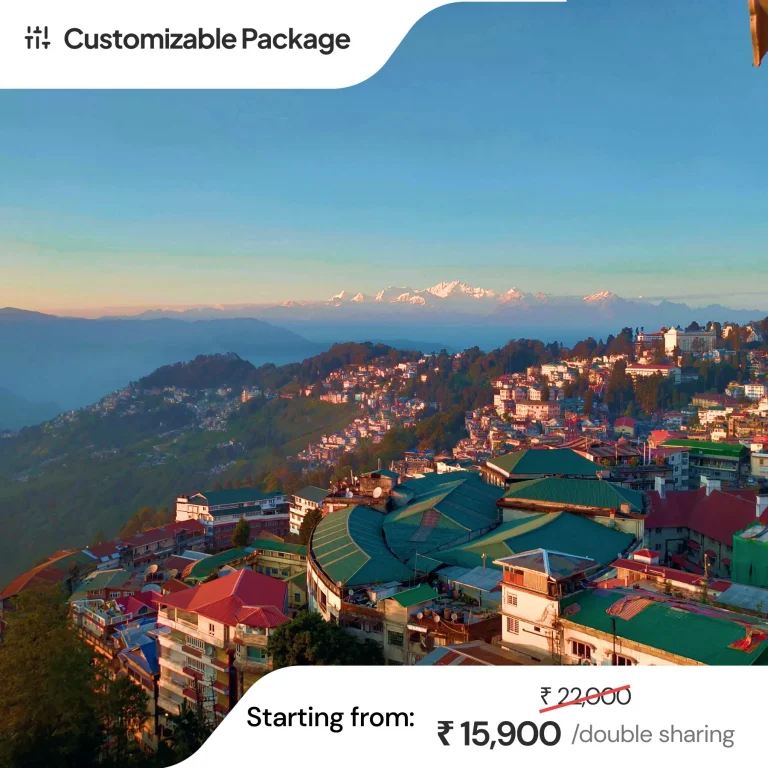
After breakfast drive to Darjeeling (6,950 ft.). On arrival Check-in to hotel & rest of the day at leisure. Overnight stay at Darjeeling.
Darjeeling Sightseeing
Early morning (4:00 AM) visit Tiger Hill (Subject to availability of Permit / Token) back to hotel. After breakfast start at 8.30 AM visit Himalayan Mountaineering Institute, P.N. Zoological Park, Tenzing Rock, Ropeway, Tibetan Refugee self-help Centre, Tea Garden (outer view), Japanese Temple, Ghoom Monastery, Batasia loop. Evening free for shopping or leisure. Overnight stay at Darjeeling.
Darjeeling – NJP Rly Station / IXB Airport
After breakfast Check-out from hotel and take the departure transfer to NJP Railway Station / IXB Airport for your onward journey.
What's Included
Inclusions
- Pickup and drop from IXB/NJP
- Complete sightseeing by a Private non AC Vehicle
- All Taxes, Tolls, Parkings & Driver Expense.
- Taxi will be point to point basis and not for individual basis.
- Accommodation on double/triple/quad sharing basis with breakfast
- Non AC deluxe/Base category rooms are included in the Package
Exclusions
- Any private expenses, room service charges.
- Any Temple/Monument etc. entry charge
- Anything which is not mentioned in the inclusions
- Nathula/Zero Point depends on the subject of availability of permit, Rs. 4000/- extra per point
- Room heater chargeable (Rs.400-600)/Room/Night.
- If a taxi used other than the mentioned point, it would be chargeable to driver directly.
Frequently Asked Questions
What is the best time to visit Sikkim?
The best time to visit Sikkim is during the spring and autumn months, from March to May and September to November respectively, when the weather is pleasant, and the skies are generally clear.
What permits are required to visit Sikkim?
Indian nationals need an Inner Line Permit (ILP) to visit North Sikkim and Nathula Pass (Indo-China Border). Foreign nationals require a Protected Area Permit (PAP) or Restricted Area Permit (RAP) to visit Sikkim, which can be obtained through TourTripX Travel Solutions Private Limited.
How do I get to Sikkim?
The nearest airport to Sikkim is Bagdogra Airport (IXB) near Siliguri, West Bengal. From there, We are available to take you to Sikkim. The nearest major railway station is New Jalpaiguri (NJP), from where you can continue your journey.
What are some popular tourist attractions in Sikkim?
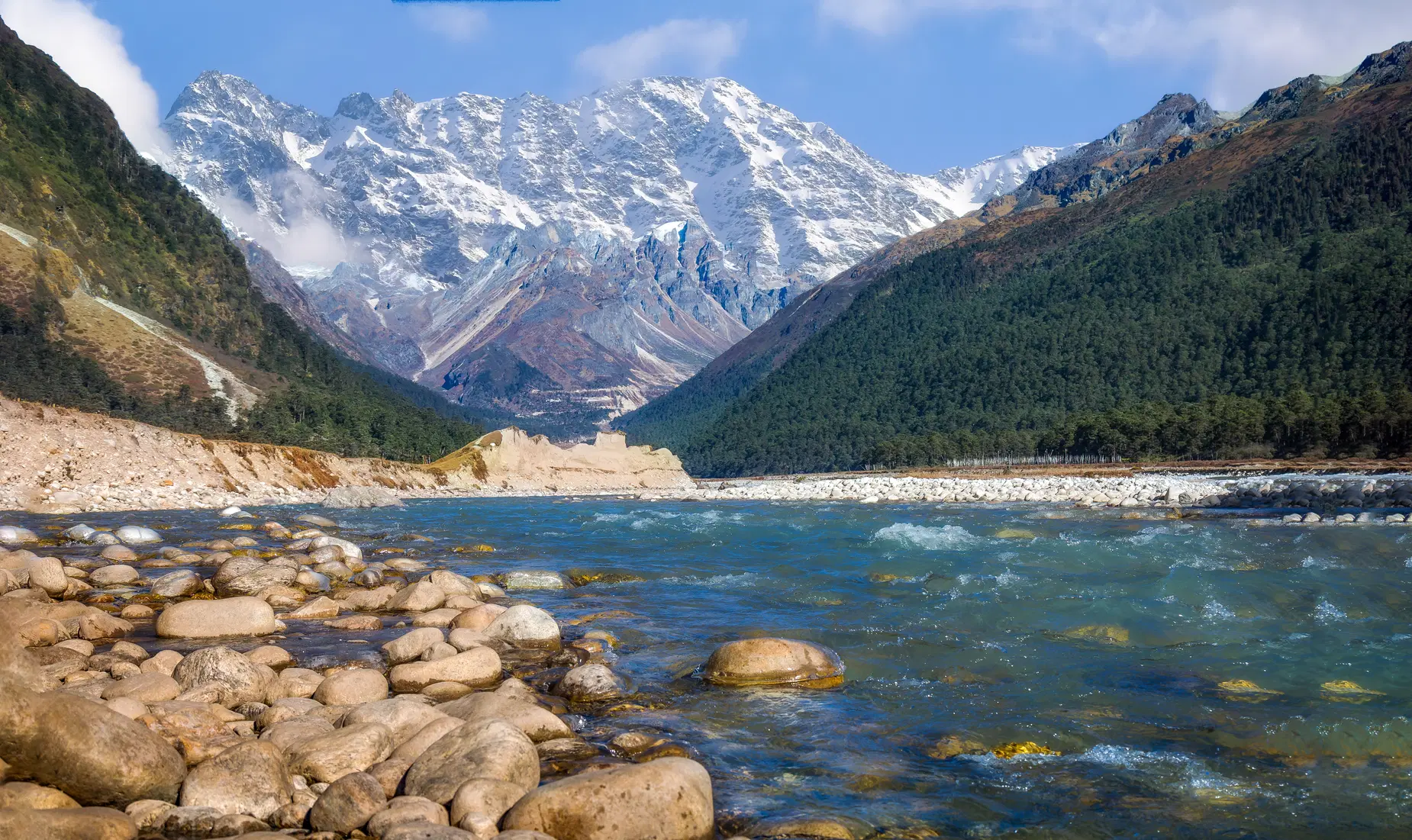
Popular tourist attractions in Sikkim include Tsomgo Lake, Nathula Pass, Gurudongmar Lake, Yumthang Valley, Rumtek Monastery, Pelling, Gangtok, Ravangla, and the capital city of Gangtok.
What are the adventure activities available in Sikkim?
Sikkim offers various adventure activities such as trekking (Goecha La, Dzongri Trek), river rafting in Teesta River but now has been stopped at the time but begin soon , paragliding in Gangtok and Sikkim's West District, mountain biking, yak safari, and cable car rides.
What should I pack for a trip to Sikkim?
Pack warm clothes, especially if visiting in winter. Also, carry comfortable trekking shoes, sunscreen, sunglasses, a hat, insect repellent, a raincoat or umbrella, and any required medications. Don't forget to carry your valid identification documents (Voter ID/Driving License/Passport along with Passport size Photograph for permits. Aadhaar card is not valid in Sikkim as a ID Proof.
Is it safe to travel to Sikkim?
Sikkim is generally considered safe for tourists. However, it's advisable to exercise normal precautions and respect local customs and traditions. Stay informed about weather conditions and any travel advisories.
What is the local cuisine of Sikkim?
Sikkimese cuisine is influenced by Nepali, Tibetan, and Bhutanese flavors. Some popular dishes include momos (dumplings), thukpa (noodle soup), gundruk (fermented leafy greens), phagshapa (pork cooked with radishes), and sel roti (traditional rice donut).
Can I visit Sikkim during the monsoon season?
While Sikkim experiences heavy rainfall during the monsoon season (June to August), it's still possible to visit. However, landslides and road closures are common during this time, so it's essential to check weather and road conditions before planning your trip.
Are there any eco-tourism initiatives in Sikkim?
Yes, Sikkim is known for its eco-friendly initiatives and sustainable tourism practices. The state promotes responsible tourism and has several eco-friendly accommodations, organic farms, and nature reserves aimed at preserving the environment and promoting sustainable development.
Can I carry plastic bottle for drinking water?
No, Plastic items is strictly prohibited in North Sikkim. As part of our commitment to preserving the pristine beauty of this region and minimizing environmental impact, we kindly request visitors to refrain from bringing or using plastic bags, bottles, containers, or any other disposable plastic products during their stay. Your cooperation in adhering to this policy is greatly appreciated as we strive to maintain the ecological integrity of North Sikkim for future generations to enjoy.
“Excellent service at a nominal cost — truly value for the money spent.”
Get an instant quoteHimalayan Tranquility Tour Package
Tell us your dates, we'll send a tailored plan. Free, no spam.